4 Questions to Ask Your Dentist About Sleep Apnea
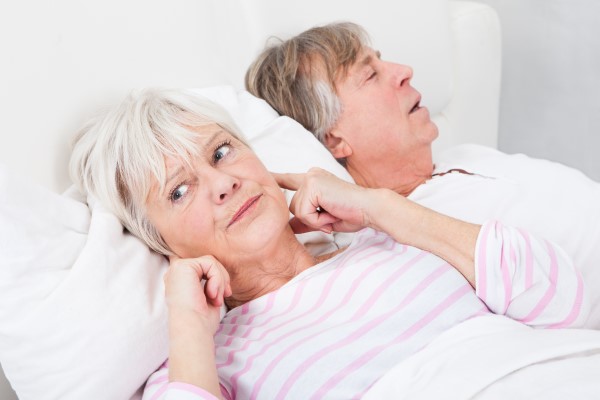
Sleep apnea is a sleeping problem in which breathing stops and begins intermittently. People with the disorder cannot obtain a proper night's sleep and are tired during the day. Fortunately, the condition can be treated by seeking the dentist's assistance.
Sleep apnea: Frequently asked questions
The following are questions to ask a dentist about sleep apnea:
What is obstructive sleep apnea?
This type of sleep apnea is a disorder in which the tongue muscle and adjacent muscles around the tongue relax abnormally, obstructing the airway during sleeping. Breathing ceases when the airway is blocked, resulting in decreased blood oxygen levels. When the brain detects a person's inability to breathe, it wakes them up momentarily so they can reopen their airway.
Is sleep apnea a problem for people of all ages?
Yes, sleep apnea affects people of all ages, but it affects men the most. According to the National Health Institute, sleep apnea affects around 4% of middle-aged males and 2% of middle-aged women. People who are at risk for sleep apnea include:
- Overweight people
- Those who snore excessively
- Patients with high blood pressure
- People whose parents suffer from sleep apnea
Is obstructive sleep apnea harmful to one's health?
Yes, sleep apnea is detrimental to one's health because it stops people from receiving adequate sleep at night and makes them tired and weary during the day. Heart disease, high blood pressure, stroke, personality changes, depression, and impotence are all possible side effects of sleep apnea. The condition can also contribute to low productivity at work and accidents while driving. People who are experiencing symptoms of sleep apnea should see a dentist for examination. They can discuss their therapy choices if they do have the condition.
Is it possible to treat sleep apnea?
Yes, there are multiple options for treating sleep apnea. The following are common treatment options.
Continuous positive airway pressure (CPAP) machines: These devices are used to treat moderate to severe sleep apnea. During sleep, the equipment provides air pressure through a mask. The air pressure created is higher than the ambient air pressure, which maintains the airway open and avoids snoring and apnea.
Oral appliances: Although these devices are not as effective as a CPAP machine, they are viable options for those who cannot sleep peacefully with the machine attached to their nose. By pushing the jaw forward while sleeping, the device keeps the throat open, alleviating moderate sleep apnea and snoring. They are often recommended for mild to moderate cases of sleep apnea. Some patients report that wearing oral appliances makes CPAP more tolerable. Examples of oral devices include mandibular advancement devices and tongue-retaining appliances.
In conclusion
Sleep apnea can make you feel fatigued during the day and lead to serious health complications. Schedule an appointment with your dentist to be evaluated and discuss your treatment options if you have noticed symptoms of sleep apnea.
Request an appointment here: https://www.newyorkdentaloffice.com or call New York Dental Office at (212) 838-6226 for an appointment in our New York office.
Check out what others are saying about our services on Yelp: Sleep Apnea in New York, NY.
Recent Posts
Receding gums leads to gum tissues pulling back from teeth roots, making your teeth appear abnormally large. Teeth roots are protected from acids made by oral bacteria by the gum tissues that cover them, so gum recession leaves them vulnerable to these acids, increasing their risk of decay.Receding gums can be caused by several things,…
Receding gums is a condition that leads to gum tissues pulling back from teeth roots. It leaves these roots exposed to acids made by oral bacteria that cause decay. Unlike the crown of a tooth, which is protected by enamel, teeth roots have an outer layer called cementum that is not as durable as enamel.…
A TMJ Dentist specializes in diagnosing and treating disorders of the temporomandibular joint, which connects the jaw to the skull. TMJ disorders or TMJDs can lead to pain and difficulty with everyday activities such as chewing and speaking. Understanding the causes and symptoms of TMJDs can help individuals seek appropriate care.The temporomandibular joint (TMJ) plays…
Worried about receding gums? Read on to learn about how to prevent this condition. Receding gums can put the long-term health of teeth at risk. The good news is that mouthwash, along with other at-home oral care routines and regular cleaning and check-up visits with your dentist, can significantly reduce the risk of periodontal (gum)…