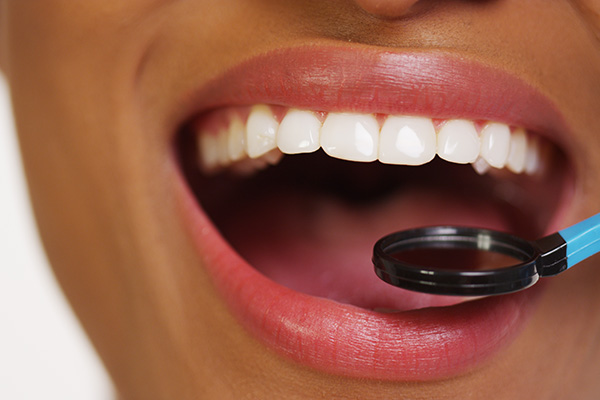
 After getting dental restorations such as fillings, implants, crowns, or root canals, it is important to follow any aftercare instructions given by the dentist. Doing so can help avoid damaging the restoration and causing further harm to the mouth. It can also allow the mouth to heal quickly and properly. Here are some tips commonly recommended by dental professionals.
4 ways to care for your mouth after a dental restoration
Especially for the first few days after having an oral restoration, it is critical to pay attention to the mouth. Following these tips can help the mouth heal properly as fast as possible.
1. Avoid chewing hard or sticky foods
Teeth can be weakened or damaged by excessively eating hard or sticky foods. The following foods are known to be difficult for even the healthiest of teeth:
- Nuts and seeds
- Hard candy
- Raw carrots
- Popcorn
Teeth still healing from dental restorations can be more susceptible to damage from these types of foods. Even after a restoration has healed, eat foods like this sparingly to avoid popping out a filling or chipping a crown.
2. Correct harmful habits such as grinding teeth
A filling can fall out and veneers or a crown can be damaged by subconscious habits such as clenching or grinding the teeth. Wearing a mouthguard at night, or even during the day if the habit is significant, can protect the teeth and any restorations against faster-than-necessary wear and tear. It can also help to wear a mouthguard while playing contact sports or engaging in other activities that could possibly cause trauma to the mouth.
3. Practice healthy oral hygiene
Since restoration procedures can be at least partially invasive, the mouth can be particularly vulnerable to bacteria afterward. Especially if the mouth is sore after treatment, it can be tempting to avoid brushing the teeth or flossing. However, doing so can allow bacteria to infiltrate the mouth and gums and cause inflammation or even infection. Paying special attention to oral hygiene after restoration can help expedite the healing process.
4. Try to chew with a different part of the mouth
Chewing puts pressure on the teeth and gums. After a dental procedure, putting pressure on that part of the mouth can feel uncomfortable and cause unnecessary stress to a new restoration. Especially when a filling, implant, or other restoration is fresh, putting too much pressure in that area can possibly impact how it heals. It may cause it to heal improperly or slowly. Try to avoid chewing with teeth that have been worked on to allow them to heal correctly.
Conclusion
Caring properly for teeth after all types of dental restorations helps ensure the success of the procedures and a swift healing process. When time and money are spent on oral improvements, taking good care of the teeth after treatment can be a wonderful way to protect the investment and make sure the restorations last as long as possible.
Request an appointment or call New York Dental Office at 212-548-3261 for an appointment in our New York office.
Recent Posts
A dental inlay is one of several restorative options available to repair damaged teeth and preserve oral health. When decay, fractures, or wear compromise the strength or structure of a tooth, dentists consider the severity and location of the damage to determine the most appropriate treatment. Understanding the differences between a dental inlay, onlay, filling,…
Dental restoration services, formally known as restorative dentistry, are paramount to a person’s overall oral health. Dental restoration is the process of repairing teeth and restoring them to their original state, hence the name. This article will explore how restorative dentistry can prevent health problems, from tooth decay to misalignment and more.Decay, infection, and other…
Your dentist can provide a dental restoration that can restore your damaged tooth. A broken tooth can cause pain and discomfort. It can prevent you from eating, smiling, and speaking. Knowing what restorations are available can help you decide which one suits you the most. Here are the details about each dental restoration that can…