When to Consider Implant Crowns
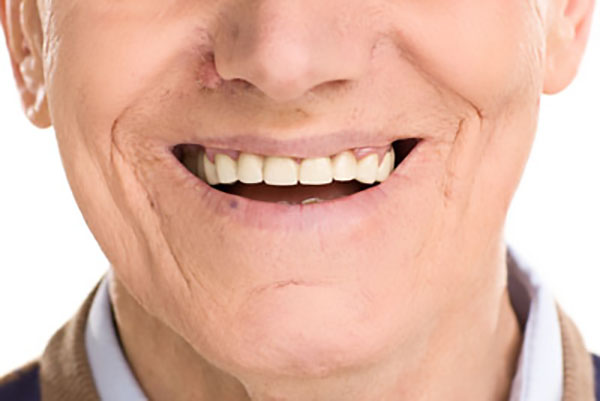
Looking, feeling and functioning like natural teeth, implant crowns can be an effective and convenient way to replace missing teeth long term. There are many occasions when dental patients may benefit from implant crowns, such as when tooth loss occurs as a result of gum disease, oral infection or dental injury.
Reasons to choose implant crowns
It is helpful to have an understanding of when implant crowns are the right form of treatment. There are other effective tooth replacement options, such as partial dentures and fixed bridges, but many prefer dental implants due to the cosmetic, function and oral health benefits they provide.
Missing tooth
The most common and obvious reason for implant crowns is to replace missing teeth, which may have been lost or extracted for a variety of reasons. Tooth loss can occur as a result of weakened gums, cavities, oral infection, dental injury and a variety of other reasons. In most cases, implant crowns are worth considering for the natural appearance they provide as well as natural function.
Dental injury
A common misconception is that the tooth must be completely lost to consider implant crowns. However, teeth that are severely loose and weakened as the result of dental injury may require extraction if they are unable to be properly supported and saved. Dental injuries can occur in a variety of ways, including car accidents, physical altercations and sporting events. When in doubt about the long-term status of a tooth, it is helpful to visit a dentist for advice.
Severe decay
One of the main causes of tooth loss is severe decay. Even before a tooth falls out on its own, the symptoms often grow severe. In many instances, the tooth becomes incredibly painful and sensitive to hot and cold sensations, making it difficult for a person to function. Many dentists may recommend removing the tooth in question and replacing it with an implant crown if this is the case, ensuring the patient does not have to struggle with the symptoms more than is necessary.
Bone loss
Implant crowns are perhaps the most effective way to prevent bone loss after a tooth falls out. One of the main purposes of the jaw bone is to securely hold the root of the tooth in its place. When there is no tooth providing constant stimulation, then the bone starts to deteriorate. Since other solutions such as partial dentures or fixed bridges are not placed inside the jaw, they do not prevent bone loss. Implant crowns, which are placed on or in the jaw, can prevent bone loss from occurring. This helps the patient keep an attractive jaw appearance and provides a long-term solution to tooth replacement.
Find out more about implant crowns
To learn more about the benefits of implant crowns and who makes an ideal candidate, reach out to us today and schedule a time to meet with our team in our office. We can answer any questions you have about the process and help you make an informed treatment decision.
Request an appointment here: https://www.newyorkdentaloffice.com or call New York Dental Office at (212) 548-3261 for an appointment in our New York office.
Check out what others are saying about our services on Yelp: Read our Yelp reviews.
Recent Posts
A preventive dentist strives to keep the teeth and gums healthy through regular dental checkups and cleanings. Combined with good oral hygiene, this quality care can help reduce the likelihood of tooth decay, gum disease, and sudden dental emergencies. No matter how old or young the patient may be, consistent visits provide a clear path…
One essential step a person can take to prevent receding gums is to maintain excellent dental hygiene. Most individuals often neglect their gums and focus on dazzling, pearly white teeth when it comes to oral health. However, having healthy gums is just as important as having healthy teeth.Gum recession has the potential to cause tooth…
Receding gums can be a symptom of gingivitis, the first stage of gum disease. It can also be caused by other factors, like a genetic predisposition to developing gum recession or bad brushing techniques.Gingivitis occurs when plaque and tartar make their way below gum tissues. The bacteria inside them infect gum tissues, leading to an…
Concerned about receding gums? Read on to learn more about this condition and how it presents itself. You may be able to notice receding gums by simply examining the appearance of your gums at home. If you notice your gums are pulling away (receding) from gums, then you are most likely experiencing gum recession. However,…