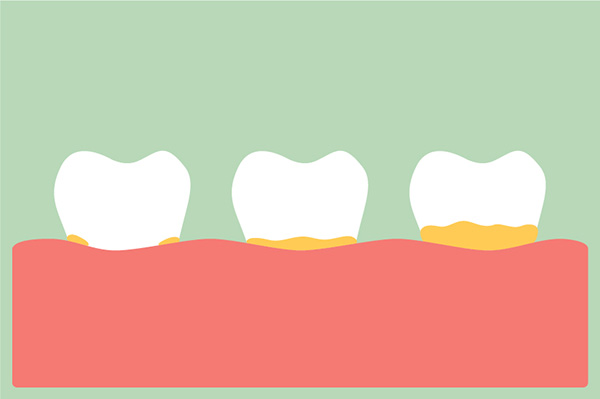
 A dental practice quickly treats gum disease, but it first requires identifying the condition. It might make itself known when the gums bleed when flossing or brushing the teeth. The gums could become tender, red, or swollen. Knowing the answers to these frequent questions allows patients to make better oral health decisions.
What are the signs of gum disease?
Early gum disease is called gingivitis. That often causes tender or red gums, and the teeth might bleed while flossing. There might be bleeding when eating crunchy or hard foods. The hygienist could tell based on whether the gums have pockets. These pockets can hold bacteria, which often create more gum disease.
What are the signs of more advanced gum disease?
As the condition becomes worse, it might become periodontitis. These symptoms are often more severe than patients who have gingivitis. The pockets in the gums can become enlarged, and there might be pus coming out of them. The teeth could become looser, and there could be sores in the mouth. The patient may notice there is a bad taste in the mouth or bad breath.
The condition might happen because of poor oral hygiene. Plus, some risk factors can make a patient more likely to develop the problem. That includes heart disease or diabetes. Genetics and age are other factors.
Why is gum disease dangerous?
Severe gum disease can result in infections and tooth loss. Sometimes, the infection can spread to other areas of the body. And these infections might result in heart issues or cause diabetes to worsen. The dental practice can help with these problems.
What does a dental practice do to treat gum disease?
Patients who have symptoms of the condition should visit a dental practice right away. Catching the issue early on is key to preventing it from worsening. The dentist can show the patient how to care for the teeth correctly. For mild gum disease, caring for the teeth better can reverse the problem. The patient might have a deep cleaning, as well.
For more advanced stages, the patient might need to have scaling and root planing. That removes the plaque and tartar from below the gumline. It also smooths the teeth making it harder for the bacteria to attach to them. If the patient has periodontitis, then surgery or laser treatments might be necessary. The dentist will help the patient choose the right treatment.
Is gum disease preventable?
Having the right oral hygiene and visiting the dental practice regularly is key in stopping the disease. Patients who smoke should also quit the habit to prevent gum disease. The dentist should know about any medications the patient uses. The reason is that specific drugs might encourage gum inflammation.
Visit a dental practice to avoid gum disease today
Knowing more about periodontal disease can help patients avoid the condition. Patients who believe they might have gum disease should see the dentist. The dentist can help the patient fight gum disease and avoid losing teeth. Making an appointment today is the first step.
Recent Posts
A dental practice focuses on preserving natural teeth, which are essential for long-term oral health. They support chewing, clear speech, and facial structure while contributing to a confident smile. Maintaining the original tooth structure also reduces the need for complex procedures and helps preserve the integrity of the surrounding teeth and gums. That is why…
Dental practices continue to serve as reliable sources of information for individuals seeking to maintain optimal oral health. However, myths often cloud the decision-making process related to daily care, recommended procedures, and overall dental well-being. New York Dental Office seeks to debunk the five most common dental myths to help people regain control over their…
Good oral health is important for more than just how your teeth look. Our dental practice emphasizes to each patient that healthy teeth and gums can contribute to overall health. Neglecting oral hygiene can lead to serious health problems that affect other parts of the body. Here are three key ways oral health can affect…