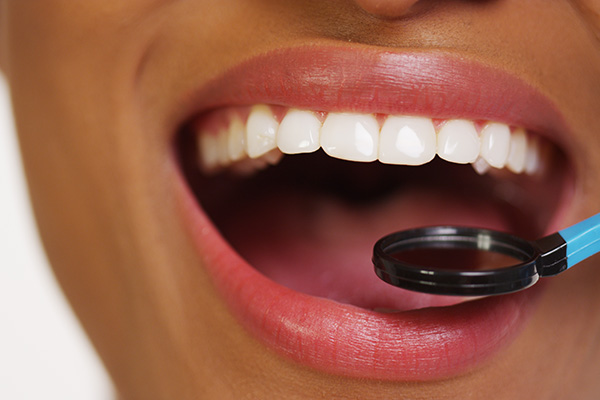
 Flossing is an essential oral hygiene habit, and your dental practice can show you the right way to do it. The process can dislodge bits of plaque and food stuck between the teeth. That reduces the plaque and bacteria buildup, preventing cavities and decay. Many people brush the teeth, but flossing is not as common. Knowing how to floss and getting good at it can make the process easier. That also turns it into a habit, allowing patients to keep the teeth in good condition.
The right flossing steps to follow
First, the patient should cut off around 24 inches of floss. Most can get wound around the middle fingers, leaving a couple of inches for the teeth. The patient can hold the floss with the index fingers and thumb and gently move it between two of the teeth. The patient should move it up and down and move it against each side of the tooth.
The floss should not go into the gums since that might bruise or scratch them. When the floss gets to the gums, the patient can curve it near the tooth’s base, forming a C. That way, the floss can go into the gumline. That should get repeated for every tooth in the mouth. The patient can use a new piece of floss for each of the teeth.
A dental practice explains flossing with braces
Braces do make it harder to floss, and it can take a bit longer. However, it is even more essential to keep the teeth clean with braces on. Patients will want to allow around 10 to 15 minutes for flossing with braces on. Waxed floss often works better since it is less likely to get stuck or tear.
Patients should cut and wind one end of the floss the same way as for regular oral care. Next, the patient can thread the floss between the wire and the teeth. The patient can move the floss up and down along the teeth. Patients can make a U shape with the material. The process can get repeated for each tooth until all the teeth have gotten flossed correctly.
When is the right time to floss?
Patients need to floss at the right time. Sometimes, the patient might choose to brush the teeth first and floss later. However, many dental practices recommend flossing before brushing. The reason is that flossing removes the plaque and food bits stuck between the teeth. Brushing is the right way of getting rid of them. If the patient flosses later, the particles might remain in the mouth until the next cleaning session.
Make your appointment at the dental practice today
According to the American Dental Association, patients should floss once a day or more. Brushing should happen twice a day. Patients who have other questions about flossing can talk to the dentist. It is also a good idea to visit the dentist every six months or more. Making an appointment today is the first step.
Recent Posts
A dental practice focuses on preserving natural teeth, which are essential for long-term oral health. They support chewing, clear speech, and facial structure while contributing to a confident smile. Maintaining the original tooth structure also reduces the need for complex procedures and helps preserve the integrity of the surrounding teeth and gums. That is why…
Dental practices continue to serve as reliable sources of information for individuals seeking to maintain optimal oral health. However, myths often cloud the decision-making process related to daily care, recommended procedures, and overall dental well-being. New York Dental Office seeks to debunk the five most common dental myths to help people regain control over their…
Good oral health is important for more than just how your teeth look. Our dental practice emphasizes to each patient that healthy teeth and gums can contribute to overall health. Neglecting oral hygiene can lead to serious health problems that affect other parts of the body. Here are three key ways oral health can affect…