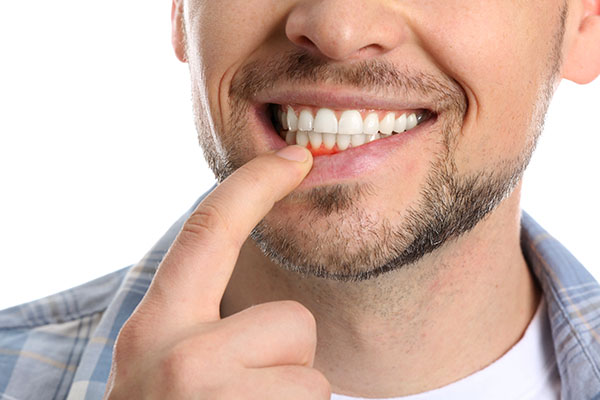
 Although the gums may bleed occasionally from rough brushing or flossing too vigorously, frequent bleeding gums are a sign that something is wrong. Dental issues are the most common cause of this bleeding, often due to proper oral hygiene not being practiced. Depending on the cause of the bleeding, there are certain treatments and preventative measures a dentist can recommend to minimize the issue.
Causes of bleeding gums
Bleeding gums are usually due to oral health problems, but there may be other causes as well. If bleeding is a problem, it is a good idea to visit a dentist first to rule out problems with the teeth or gums.
Gingivitis
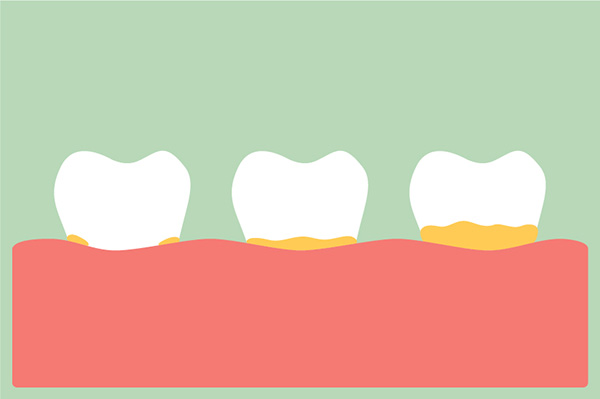
Gingivitis refers to the inflammation of the gums. This occurs when there is a buildup of plaque. Brushing and flossing the teeth helps remove plaque, but if they are not done properly, this stickiness can linger along the gum line. Over time, this turns into tartar, which increases the chances of bleeding. Along with bleeding gums, additional signs of gingivitis include swollen gums and soreness around the gums.
Periodontitis
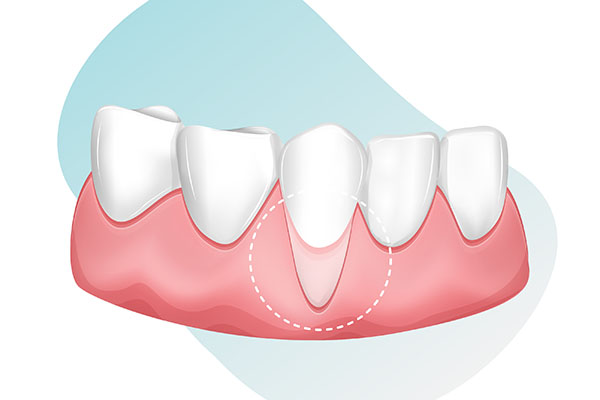
If gingivitis is not treated, it can advance to periodontitis. This advanced disease can lead to infection of the gums, supportive tissues, and jawbone. This can result in loose teeth that eventually fall out.
Vitamin deficiencies
Some people who experience frequent gum bleeding are deficient in certain vitamins. The most common deficiencies that cause bleeding are vitamin C and vitamin K.
Oral appliances
People who wear dentures may notice more bleeding, especially if they are fitted too tightly. Other oral appliances may also be the culprit.
Hormonal changes
Changes in certain hormones can cause the gums to be more sensitive, which results in more bleeding. Pregnant women in particular are more prone to bleeding gums.
Medical disorders or medication use
If the cause of bleeding gums is gingivitis due to poor dental hygiene, professional teeth cleanings can help reduce the amount of plaque. The dentist may recommend more frequent visits to get the issue under control. The dentist can also give the patient specific instructions regarding home care to do in between professional cleanings.
If gingivitis has advanced to periodontitis, the dentist may perform more invasive procedures, which may include scaling, root planing, or surgery. If bleeding occurs due to an ill-fitting dental appliance, the dentist can make adjustments for a better fit.
For vitamin deficiencies, the patient should take supplements or eat more foods that contain vitamins C or K. For other non-dental issues, the dentist can refer the patient to a medical professional for proper treatment.
Conclusion
Frequent bleeding gums are not normal and typically indicate an underlying problem. Poor oral hygiene is a common cause, in which case bleeding can be minimized with more frequent and detailed brushing, regular flossing, and professional cleanings.
Request an appointment or call New York Dental Office at 212-548-3261 for an appointment in our New York office.
Recent Posts
Receding gums can be the result of plaque build-up underneath gum tissues. The bacteria in plaque can infect tissues underneath the gums, activating the body’s inflammatory response. The inflammation leads to gum tissues pulling back from teeth roots, exposing said roots to acids made by oral bacteria.Teeth roots do not have the luxury of being…
Are you concerned about receding gums? Read on to learn about the most common causes for this condition. It is important to understand the common causes of receding gums as they are the most notable risk factors of periodontal disease that leads to gum recession. By understanding these risks, you can take the necessary preventive…
Hormonal changes are natural and required for healthy physiological function. However, certain hormonal changes may negatively affect gum health by raising the risk of receding gums and gum disease. Restorative dentistry procedures may help you get your gums back in shape and repair your teeth. It is especially essential to maintain excellent dental hygiene practices…