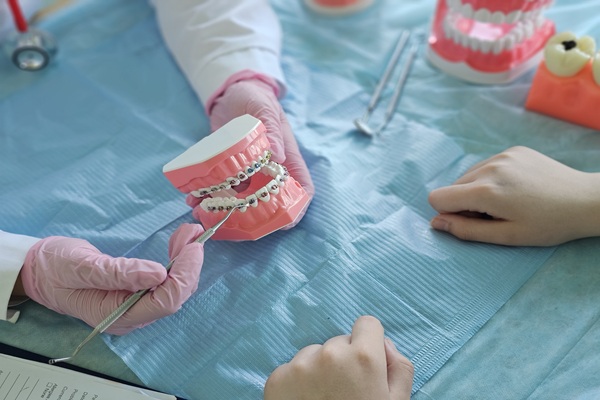
 Dentures are the traditional tooth replacement solution. Also known as false teeth, dentures are known for being low maintenance and easily accessible. But it may be time for a replacement if the dentures are slipping out, shifting around, or causing pain. This article will help patients better understand the signs of ill-fitting dentures, potential solutions, and the risks associated with wearing dentures that do not fit properly.
Signs dentures are too big
An adjustment period to wearing dentures makes it hard for some patients to discern whether their dentures fit correctly. If the dentures move around often, cause pain, or are easily damaged, chances are that the fit is not right. Here are some common signs that old or new dentures are too big:
- Swollen, red, and painful gums or mouth.
- Continued trouble eating, biting, and chewing.
- Accelerated jawbone loss.
- Gagging or nausea.
- Oral infections.
- Mouth sores.
How to fix ill-fitting dentures
There are multiple ways to fix ill-fitting dentures, such as relining or refitting. Additional implants may act as reinforcement when dental implants support the dentures. If dentures continue to cause problems for the patient, a more permanent tooth replacement option may be recommended.
Relining dentures, or denture adjustment
A dentist or prosthodontist can adjust ill-fitting dentures with a process known as relining. A soft reline adds depth to the denture with a liquid polymer, a fast process that the dentist performs in-office. There are also hard relines, which utilize a stronger denture resin or denture acrylic.
Replacing dentures
Patients may need more than an adjustment. This not only applies when new dentures fit poorly; dentures that were once a perfect fit may become too large as the jawbone changes over time. Therefore, replacing dentures every five years is recommended to ensure a proper fit.
What happens if you wear ill-fitting dentures?
We do not recommend to continue wearing dentures that are too big. The signs of poorly fitting dentures may progress. For example, difficulty eating and nausea may cause indigestion. In addition, if the dentures put too much pressure on the jaw, headaches and even ear pain may result. It may also irritate and inflame the gums, which can cause a sore and inflamed mouth (stomatitis).
Ill-fitting dentures may also cause the jawbone to lose volume, resulting in a sunken facial appearance. Supporting dentures with dental implants (or replacing them with implants completely) can help patients reverse facial collapse. Since implants are surgically implanted into the jawbone, they act like natural teeth and keep the bone engaged.
Having dentures checked and adjusted regularly can help prevent the issues above. Do not wait to consult a dentist or prosthodontist after noticing the signs of poorly fitting dentures. Doing so can also help the patient save money in the long run.
Get your dentures refitted, relined, or replaced
Traditional dentures remain an effective tooth replacement option for many patients. However, consult our team if you notice changes in the denture fit or have prolonged difficulty adjusting to a new set. We will get you set up with comfortable dentures or recommend alternative solutions.
Request an appointment or call New York Dental Office at 212-548-3261 for an appointment in our New York office.
Recent Posts
It can be easy to fix broken dentures, especially with the assistance of a dental professional. Further, acting fast when it comes to repairs can help these dental prosthetics last longer, restore their functionality, and improve your overall comfort. Check out this guide on denture repair to get started.Dentures are known to be durable, lasting…
Conventional dentures are common solutions for tooth loss. These are custom-fit dental restorations that can replace your missing teeth and lift your facial. These dental replacements can improve your dental functions as well. Here are the details on how dentures can help you regain your smile.Tooth loss can make eating painful and nerve-racking. The remaining…
Losing multiple teeth can affect not only oral health but also self-confidence, preventing you from fully participating in social situations and living a fulfilling life. Dentures are an effective solution to replace missing teeth, offering functional and psychological benefits. They can restore your smile and ability to speak confidently and chew food efficiently while improving…