A General Dentist Offers Tips On How To Get Used To Invisalign
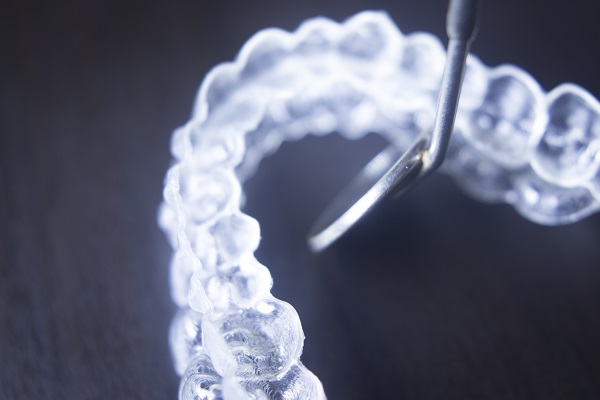
There is often an adjustment period for patients after they start wearing their Invisalign® aligners. It is important to follow the advice of a general dentist when adjusting to the new aligners to ensure the process goes smoothly and the patient becomes comfortable with them as soon as possible.
Adjusting to life with Invisalign®
There are certain things every Invisalign® patient can do to reduce the time it takes to get used to wearing the aligners. Although every patient should find what works best for them, the following are four effective tips from a general dentist to implement while adjusting to a new life with Invisalign®.
Wear aligners consistently
First and most importantly, patients must wear their aligners as directed by the general dentist. Most dental professionals recommend wearing the Invisalign® aligners between at least 20 to 22 hours each day. Patients will most likely have a natural urge to take them out just for a moment when they first start wearing them and experience an awkward feeling or discomfort. However, it is very important to leave them in to ensure they work properly and the patient is able to adjust as quickly as possible.
Practice talking early on
One of the first things patients often notice when they start wearing their new Invisalign® aligners is that they have a lisp while talking. If this occurs, remember to not panic as it is temporary and patients get used to talking normally with the aligners rather quickly. To speed up the adjustment process, it is encouraged to have a conversation with someone after first putting them in. This allows them to get the awkward phase out of the way and to get comfortable speaking.
Use pain relief for discomfort
The discomfort with Invisalign® is typically tolerable, but there will be some discomfort and potential numbness that exists during the adjustment process. The general dentist may provide instructions on how to deal with and minimize the discomfort, and it is important to follow the instructions they give. If they do not provide instructions, then taking over-the-counter pain reliever as directed can help, along with using a cold compress to relieve the discomfort of the jaw.
Consider dietary changes
For the first week, there will likely be discomfort. Another useful way to make the adjustment easier is to eat a diet of soft foods, such as oatmeal, scrambled eggs, yogurt and soup. Excessive chewing of hard foods may lead to increased discomfort. It is also encouraged to avoid foods that increase the risk of teeth stains during treatment. Patients should also consider substituting coffee and tea for water as much as possible.
Consult with a general dentist about Invisalign®
To learn more about Invisalign® treatment, reach out to our office today to schedule a time for a first visit. General dentists can discuss all available treatment options and help patients make an appropriate decision. We believe everyone deserves a smile they love, and it is our goal to guide patients through the entire Invisalign® process.
Request an appointment here: https://www.newyorkdentaloffice.com or call New York Dental Office at (212) 548-3261 for an appointment in our New York office.
Check out what others are saying about our services on Yelp: Read our Yelp reviews.
Recent Posts
Receding gums is a condition that leads to gum tissues pulling back from teeth roots. It leaves these roots exposed to acids made by oral bacteria that cause decay. Unlike the crown of a tooth, which is protected by enamel, teeth roots have an outer layer called cementum that is not as durable as enamel.…
A TMJ Dentist specializes in diagnosing and treating disorders of the temporomandibular joint, which connects the jaw to the skull. TMJ disorders or TMJDs can lead to pain and difficulty with everyday activities such as chewing and speaking. Understanding the causes and symptoms of TMJDs can help individuals seek appropriate care.The temporomandibular joint (TMJ) plays…
Worried about receding gums? Read on to learn about how to prevent this condition. Receding gums can put the long-term health of teeth at risk. The good news is that mouthwash, along with other at-home oral care routines and regular cleaning and check-up visits with your dentist, can significantly reduce the risk of periodontal (gum)…
Receding gums occur as a result of periodontitis (gum disease). Early intervention for gum disease can minimize the invasiveness of treatment, and many patients are able to restore the health of their gums and teeth through improvements in their oral care routine, non-invasive dental treatments, and at-home remedies.At-home remedies do not reverse receding gums, but…