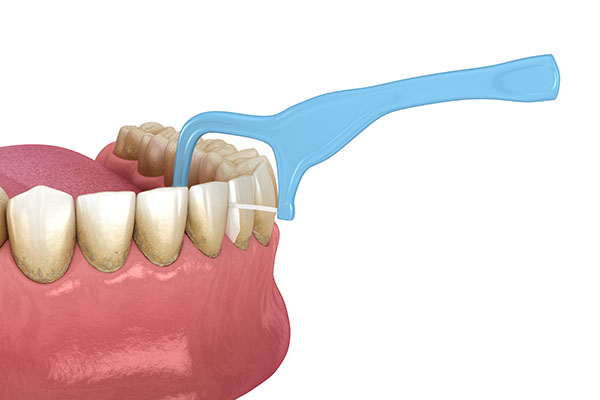
Bleeding gums can be a frustrating and worrying symptom. It can be especially bothersome if it occurs while brushing and flossing. Patients who experience bleeding from the gums should contact a dentist to determine the cause and start treatment.
The causes of bleeding gums and what to do about them
While the sight of blood in the sink can be worrying, having bleeding gums does not have to be scary. In many cases the cause is treatable. Below are some of the most common causes and their treatments.
Vitamin C and K deficiencies
A deficiency of either vitamin C or K can make gums prone to bleeding. Patients can consult with a doctor to determine if this is the cause. To treat a vitamin deficiency, it is possible to take a supplement or adjust eating habits to include foods rich in vitamin C and K:
- Broccoli (C)
- Lettuce (K)
- Potatoes(C)
- Olive oil (K)
- Strawberries (C)
- Spinach (K)
- Tomatoes (C)
- Soybeans (K)
Patients can also ask a doctor for a more comprehensive list and diet plan.
Poor-fitting oral appliances or aggressive brushing
Patients who feel that a dental appliance, such as dentures or retainers, are uncomfortable should check if the bleeding is being caused by the appliance. If aligners or dentures fit too tightly or rub in spots, a dentist can make a new mold or adjust them to improve the fit. Bleeding can also be caused by aggressive or overly frequent brushing. Patients should take care to treat sensitive gums gently when brushing, and may consider switching to a toothbrush with softer bristles. Dentists can also provide advice for proper brushing and flossing techniques.
Gum disease
Bleeding gums is one of the symptoms of gingivitis, a type of gum disease that occurs when too much plaque builds up on the gums and teeth. If plaque is allowed to harden, it forms tartar. The presence of tartar can cause gum soreness and bleeding.
If gingivitis goes untreated, it can develop into an infection called periodontitis, which has more severe consequences such as loose or rotted teeth. Patients who suspect they may have gum disease should contact a dentist, who can provide a diagnosis and treatment plan. In its early stages, gum disease can be prevented by twice yearly cleanings, daily brushing, flossing, and mouthwash.
Blood-thinning medications and conditions
Patients taking medications that are known to thin blood, like aspirin or warfarin, may experience bleeding gums as a result. Other conditions such as hemophilia and leukemia can also cause blood thinning and bleeding gums. It is important that patients consult with a doctor and dentist to determine the best course of action.
Conclusion
Bleeding gums can have several causes. In most cases the treatment is simple, such as using a softer toothbrush, refitting dental appliances, scheduling thorough teeth cleanings, or improving daily care. Depending on the cause, patients should ask a doctor and dentist to help prescribe the ideal treatment.
Request an appointment or call New York Dental Office at 212-548-3261 for an appointment in our New York office.
Recent Posts
Receding gums leads to gum tissues pulling back from teeth roots, making your teeth appear abnormally large. Teeth roots are protected from acids made by oral bacteria by the gum tissues that cover them, so gum recession leaves them vulnerable to these acids, increasing their risk of decay.Receding gums can be caused by several things,…
Receding gums is a condition that leads to gum tissues pulling back from teeth roots. It leaves these roots exposed to acids made by oral bacteria that cause decay. Unlike the crown of a tooth, which is protected by enamel, teeth roots have an outer layer called cementum that is not as durable as enamel.…
Worried about receding gums? Read on to learn about how to prevent this condition. Receding gums can put the long-term health of teeth at risk. The good news is that mouthwash, along with other at-home oral care routines and regular cleaning and check-up visits with your dentist, can significantly reduce the risk of periodontal (gum)…