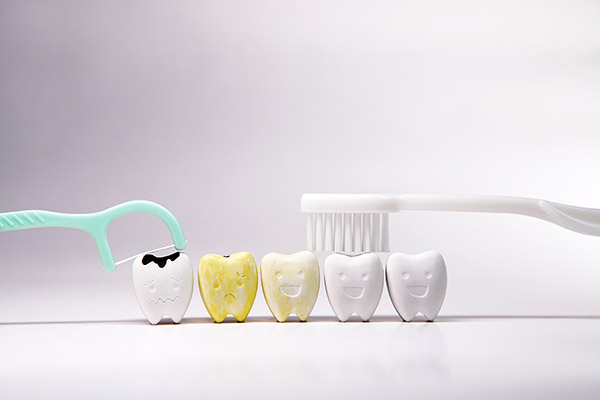
 Each dental practice has its specializations when it comes to oral care. Even so, they have one thing in common. Dental practices provide valuable brushing and flossing tips. The aim of doing so is to guide patients as they go about their personal oral hygiene practices.
Tips for proper flossing
Plaque transforms into tartar in 24-36 hours. When it comes to removing stubborn plaque and food particles, flossing is an effective technique. A thorough dental practice usually reminds patients about finishing their daily oral hygiene ritual by flossing. The right way to floss starts with getting the proper length of dental floss, which should be about 18 inches. Wrapping each end of the floss around the middle and index fingers allows good control. Leaving two inches of taut dental floss between the hands makes it easier to floss deeper into the mouth.
Effective maneuvering
Once the floss slides between teeth, it must wrap into the shape of a “C” around a tooth’s base. Rubbing the dental floss across the tooth’s gumline dislodges adhering plaque. Repeating this motion two to three times can do the job. Every side of each tooth should have a run of floss, including the back of the molars. Unraveling a clean part of the floss line for each tooth prevents the transfer of particles and bacteria.
Finishing neatly
Disposing of the used dental floss is important. It should be rolled up and then disposed of in the garbage can. Flushing the floss into the toilet might cause clogging. Gargling with mouthwash or water after flossing helps flush out the clinging particles and bacteria.
Brushing tips
Brushing after flossing dislodges more food particles and bacteria from the corners of teeth. Doing this at least two times daily can prevent tooth decay and periodontal diseases. The toothbrush should be at a 45-degree angle to the teeth. Its bristles should touch the teeth and gums at this angle. Proper brushing should not be back-and-forth. It should happen in a circular, gentle up-and-down direction similar to what happens in a dental practice.
The right intensity
Many people brush their teeth hard, believing that it will remove more food particles and bacteria. Brushing hard or scrubbing only pushes food particles into hard-to-reach corners. It also makes the gums recede more. When gum recession takes place, bacteria gain a larger opportunity to destroy teeth through parts that are unprotected by enamel. One such vulnerable part is the dental root. Gentle brushing for two to three minutes using a soft-bristled toothbrush is ideal.
You can have a healthier mouth by following the guidance of your dental practice
Dental visits enhance your oral health. When you return to your home, you resort to using the flossing and brushing habits that you have learned all your life. All that is fine, but there is always room for improvement. With the tips mentioned, you can floss and brush properly. Adopting the tips from your dental practice can make oral health a tangible reality.
Recent Posts
A dental practice focuses on preserving natural teeth, which are essential for long-term oral health. They support chewing, clear speech, and facial structure while contributing to a confident smile. Maintaining the original tooth structure also reduces the need for complex procedures and helps preserve the integrity of the surrounding teeth and gums. That is why…
Dental practices continue to serve as reliable sources of information for individuals seeking to maintain optimal oral health. However, myths often cloud the decision-making process related to daily care, recommended procedures, and overall dental well-being. New York Dental Office seeks to debunk the five most common dental myths to help people regain control over their…
Good oral health is important for more than just how your teeth look. Our dental practice emphasizes to each patient that healthy teeth and gums can contribute to overall health. Neglecting oral hygiene can lead to serious health problems that affect other parts of the body. Here are three key ways oral health can affect…