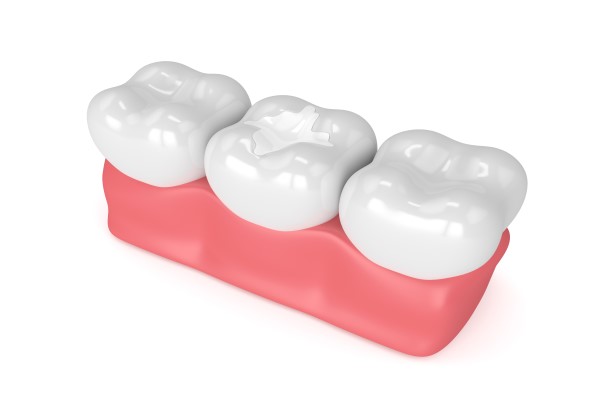
A dental filling is subject to wear and tear. Read on to learn about a few signs of a cracked dental filling to watch for. The damaged filling can remain a minor inconvenience, just so long as you see a dentist as soon as you discover the problem.
The different ways a dental filling can sustain damage
Fillings have reasonably long lifespans, with some filling materials being tough enough to last a lifetime. Composite resin is more popular than gold or silver amalgam, but it is less durable. Still, this type of filling can provide more than a decade of solid service under the right circumstances.
Unfortunately, fillings can come loose, fall out, or crack under the following conditions:
- Tooth decay in the tooth that is housing the filling
- A break or fracture in the tooth with the filling
- Injury or a blow to the mouth
- Poor oral habits like biting down on hard objects such as bottle caps or ice chips
These are some of the ways that a filling can crack, break off, or come loose. Damage to the filling will come with tell-tale signs, which usually cause some level of discomfort.
Four signs that a dental filling may have a crack in it
The job of a dental filling is to protect the inner tooth from pressure, heat, cold, acid, food debris, and bacteria. In many ways, fillings serve as physical barriers that protect the inner teeth from the mouth's environment. When the filling comes apart, the breach in the physical barrier exposes the vulnerable part of the tooth to the not-so-friendly environment in the mouth. Then the following signs may appear:
1. Tooth sensitivity when chewing or biting
A cracked filling makes the tooth more sensitive to pressure, which presents as discomfort or pain. The sharp pain goes away when the person stops putting pressure on the problem tooth.
2. Tooth sensitivity due to hot, cold, sugary, or acidic foods
Food particles and other substances that pass through the mouth can make their way past the cracked filling and into the inner tooth. This will result in tooth sensitivity that can last a short while. Rinsing off the tooth may provide relief by removing the irritant from the inner tooth.
3. Sensation of a hard, foreign object in the tooth
Sometimes a person will feel and hear the exact moment their filling cracks. They may hear a sound and suddenly feel like there is a hard object in their inner tooth.
4. The tongue may detect a crack, hole, or dent in the surface of the filling
It is possible to detect a cracked filling by touch, which happens when the tooth sustains an injury like a scratch from the sharp edge of the broken filling.
Frequently asked questions about dental fillings
Time to go over some commonly asked questions about dental fillings:
1. Are dental fillings made with mercury?
Silver amalgam fillings are made from a mixture of metals, including mercury, which makes up about 50% of their composition. While mercury is known to be toxic, the Food and Drug Administration considers silver amalgam fillings to be safe for patients older than six years. These are the oldest type of dental fillings, and they are also one of the most durable types.
Newer types of dental fillings like composite resin do not contain mercury. Composite fillings can also be color-matched with the color of a person’s teeth, making them the most aesthetically pleasing option. It is not surprising that composite fillings have now emerged as the most popular type of filling nowadays.
2. Do cracked dental fillings cause bad breath?
Yes. Fillings on their own do not cause bad breath, but a cracked filling creates openings for bacteria and debris to get inside a tooth. The ensuing decay can lead to bad breath as volatile sulfur gases created by bacteria inside a tooth causes bad breath. The odor typically becomes significantly worse if the tooth gets infected.
3. Do dental fillings last forever?
No, dental fillings can last up to ten years, depending on the type of filling used, but they are not designed to be a lifelong solution for missing teeth. The pressure from bite forces in the mouth gradually wears a filling out until it is no longer sufficiently protecting the tooth from irritants in the mouth.
Know how to deal with a cracked dental filling
The timely repair of a dental filling will save you a lot of discomfort and extra costs down the road. Get in touch with our dental office right away to schedule an appointment.
Request an appointment here: https://www.newyorkdentaloffice.com or call New York Dental Office at (212) 548-3261 for an appointment in our New York office.
Check out what others are saying about our dental services on Yelp: Composite Fillings in New York, NY.
Recent Posts
Dental fillings can restore teeth with minor fractures or cavities. Your general dentist can use them to enhance jaw functions by evening out dental surfaces. These restorations can also improve the appearance of the affected teeth. Understanding how dental fillings work can help you prepare well for your next appointment.This meeting is an essential first…
A dental filling is important in achieving good dental health and a painless smile. This dental restoration can seal the tooth and protect it from further decay. Knowing when to get fillings can help you achieve your smile goals earlier. Here are the signs your tooth may need a dental filling right away.Pain often develops…
Tooth decay is a very common dental issue among people of all ages. When a cavity develops, a dental filling can be used to make repairs. Although the procedure is relatively simple, it can still be very effective at repairing a tooth and stopping the spread of tooth decay.According to the American Dental Association, most…
It is well known that routine dental care is essential to the maintenance of a patient’s oral health, but the reasons why are not always as clear. Patients who have questions regarding dental care should consult with a dentist for help in understanding the importance of properly caring for their teeth.The following are common questions…