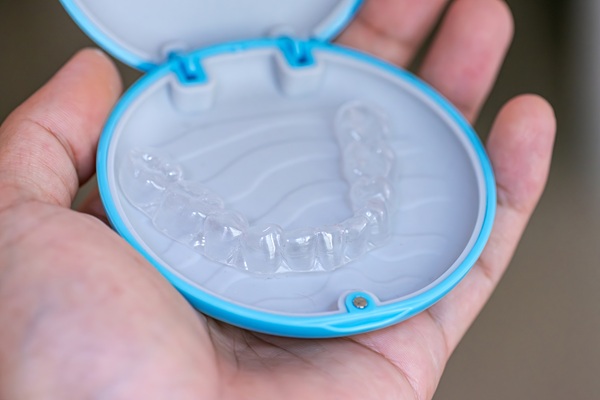
Invisalign® is one of the most well-known aligner systems, straightening teeth through a series of custom-made, removable trays. Many general dentists are trained and certified to provide Invisalign as part of their broader approach to oral health. Dentists can guide the entire Invisalign process from start to finish for those seeking straighter teeth without compromising aesthetics or convenience.
Understanding Invisalign treatment from a general dentist
General dentists are often the first providers to identify the need for orthodontic care, including mild to moderate alignment issues. Those with specialized training in Invisalign can also plan, initiate, and oversee this clear aligner treatment within their offices. Because dentists are already involved in routine checkups and preventive care, adding Invisalign services is a convenient extension of ongoing dental care. Patients further benefit from the continuity of working with a provider who manages both orthodontic needs and general oral health.
What to expect during Invisalign treatment
Since general dentists oversee routine exams and cleanings, they are well-positioned to monitor orthodontic progress and oral health throughout Invisalign treatment. This dual oversight supports better dental outcomes and minimizes the risk of issues like plaque buildup or gum inflammation.
Invisalign that is tailored to the patient
Every Invisalign treatment plan begins with a customized design tailored to the unique structure and needs of each patient’s smile. General dentists use digital imaging to map out the movement of each tooth, creating a precise, step-by-step plan. This tailored approach enhances efficiency in terms of treatment time and patient comfort.
To determine if Invisalign is the best option, general dentists evaluate bite factors such as spacing, crowding, alignment, and jaw position. Minor reshaping or attachments may be necessary to support specific movements. Since every treatment is unique, patients receive a plan that aligns with their lifestyle, goals, and dental health.
Guidance on clear aligners
One of the most important roles of the general dentist during Invisalign treatment is to provide clear, ongoing guidance. From the first aligner fitting to the final retainer phase, patients are educated on how to wear, clean, and store their aligners. This helps maintain the integrity of the trays and supports consistent progress.
General dentists monitor aligner fit and usage, offering timely advice if challenges arise. They may adjust timelines, provide adjustments, or suggest modifications to maintain the effectiveness of the treatment. This kind of real-time support helps keep treatment on track while ensuring that patients remain comfortable and motivated. Additionally, dentists can offer tips for managing any initial discomfort, speaking clearly with aligners in place, and maintaining oral hygiene throughout the treatment process.
Dental checkups during treatment
Regular dental checkups continue to be important throughout Invisalign treatment. General dentists use these appointments to check that the teeth and gums remain healthy as alignment progresses. Consistent monitoring helps prevent complications, from decay and gum recession to everyday wear on enamel.
Routine dental cleanings are also important when undergoing Invisalign treatment. This is particularly true as trapped food particles or bacteria can lead to faster plaque buildup. General dentists can continue to provide professional cleanings and identify potential issues early, helping avoid interruptions to orthodontic care. Checkups are seamlessly integrated into the overall Invisalign timeline.
In addition, a general dentist uses these routine checkups to review alignment changes and determine whether any refinements are needed. Combining orthodontic tracking with routine dental care streamlines the entire Invisalign treatment process and experience.
Promoting long-term results
General dentists can also assist patients in maintaining the results of Invisalign treatment. This starts with a retainer after the final aligner. Retainers hold the teeth in place as the bone and soft tissue adapt to their new positions. Dentists help ensure that retainers fit properly and that the patient wears them properly. Typically, this means wearing the retainer as much as one wore their Invisalign, then gradually reducing wear time. For the long term, most patients can expect to wear their retainers only while sleeping.
Continued follow-up and monitoring, which general dentists are well-positioned to provide, can also make for long-lasting Invisalign results. Post-treatment checkups allow for minor adjustments, reinforcement of good habits, and identification of any changes in the bite or smile alignment. This helps safeguard the results achieved through Invisalign and supports overall oral health.
Ask a general dentist about Invisalign
If you are looking for a discreet way to straighten your or your child’s teeth, Invisalign may be the answer. Explore your options during an appointment with a general dentist. Contact our New York team today.
Request an appointment here: https://www.newyorkdentaloffice.com or call New York Dental Office at (212) 548-3261 for an appointment in our New York office.
Check out what others are saying about our dental services on Yelp: Invisalign in New York, NY.
Recent Posts
Invisalign® is often the preferred choice for patients looking to straighten their smiles without the hassle of getting metal braces. If you have been avoiding teeth straightening because you are worried about people noticing metal brackets and wires on your teeth, Invisalign could be the perfect choice for you. Continue reading to see how you…
Invisalign® might be what you need if you are tired of always feeling self-conscious about your misaligned teeth but do not want to deal with metal braces. You are not alone; many people put off getting teeth straightening treatments to avoid the stares wearing braces can bring.Fortunately, Invisalign was invented a couple of decades ago…
Are you considering Invisalign® as an option for straightening your teeth? This popular teeth straightening method, also known as clear aligners, is becoming increasingly popular thanks to its convenience and comfort. In this blog post, we will discuss the advantages and disadvantages of clear aligners and how to decide if it is the right teeth-straightening…
Invisalign® is a new development when it comes to orthodontics. This teeth aligner tool is designed to be invisible and unobtrusive. Invisalign is for people looking for an alternative to traditional dental braces. If you are looking for an aligner without metal and wires, Invisalign might be the right option for you.Compared to traditional dental…