How Long Do Dental Veneers Last and How are They Applied?
When someone is looking at the option of having dental veneers, one question is typically within the first three that they will ask their dentist. How long do they last? This is a very valid question and one we will cover today that will help people debating on dental veneers for fixing their teeth to get the smile they have been dreaming of having.
Along with how long dental veneers last we will also cover some basics of how veneers are installed and how dental hygiene routines will be affected, if at all, once the veneers are bonded to the teeth.
How long will dental veneers last?
Dental veneers are created using medical grade ceramic and porcelain materials that are extremely strong and durable. Typically, dental veneers last around ten years from the time they are installed.
However, as dental technology is increasing and becoming even better, veneers will soon last even longer. Right now the 10-year mark is typically when dental veneers would need to be replaced by a dentist. Having open communication with your dentist is essential when you have veneers, and any issues should be brought to their attention.
How do dental veneers work exactly?
It typically takes around three steps for dental veneers to be determined as a good choice for a patient, and then the pre-work and bonding of the veneers. The placement of veneers typically is done in the following steps.
Step 1: Examination and no other dental issues to resolve
A dentist will need to examine the teeth that the veneers will cover. These teeth can be chipped, broken and worn down. However, if there are other issues such as cavities and tooth decay, those issues will need to be dealt with first.
Dental veneers cover the teeth, and so issues that could grow worse have to be handled first. If these issues are not dealt with, then the cavities or tooth decay will become worse and cause more problems in the long-term.
Step #2: Getting the teeth prepared for veneers
Before dental veneers are placed, the teeth have to be filed down ever so slightly to make them ready for the bonding process. After the enamel is filed down, a temporary veneer may be placed on the teeth while the permanent one is being crafted at the lab.
Step #3: Placement and bonding
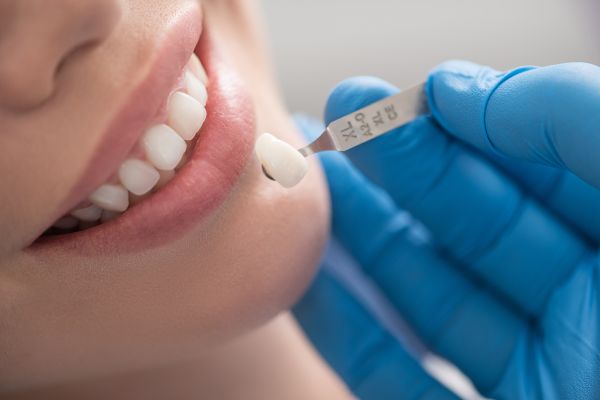
After the dentist receives the dental veneer, they will ensure that the coloring and size of the veneer are correct. Once this is determined, the dentist will bond the veneer to the teeth. Once this is completed, the patient will have the beautiful bright smile they have been dreaming of.
Dental veneers are taken care of like regular teeth. Although they are stain resistant, it is essential to keep a healthy daily dental hygiene routine and treat them like natural teeth.
Have more questions about dental veneers and how long they last?
Give us a call, and we will give you any additional information you need to know you are making the right decision by choosing dental veneers. Contact us today!
Request an appointment here: https://www.newyorkdentaloffice.com or call New York Dental Office at (212) 548-3261 for an appointment in our New York office.
Check out what others are saying about our dental services on Yelp: Dental Veneers and Dental Laminates.
Recent Posts
Receding gums is a condition that leads to gum tissues pulling back from teeth roots. It leaves these roots exposed to acids made by oral bacteria that cause decay. Unlike the crown of a tooth, which is protected by enamel, teeth roots have an outer layer called cementum that is not as durable as enamel.…
A TMJ Dentist specializes in diagnosing and treating disorders of the temporomandibular joint, which connects the jaw to the skull. TMJ disorders or TMJDs can lead to pain and difficulty with everyday activities such as chewing and speaking. Understanding the causes and symptoms of TMJDs can help individuals seek appropriate care.The temporomandibular joint (TMJ) plays…
Worried about receding gums? Read on to learn about how to prevent this condition. Receding gums can put the long-term health of teeth at risk. The good news is that mouthwash, along with other at-home oral care routines and regular cleaning and check-up visits with your dentist, can significantly reduce the risk of periodontal (gum)…
Receding gums occur as a result of periodontitis (gum disease). Early intervention for gum disease can minimize the invasiveness of treatment, and many patients are able to restore the health of their gums and teeth through improvements in their oral care routine, non-invasive dental treatments, and at-home remedies.At-home remedies do not reverse receding gums, but…