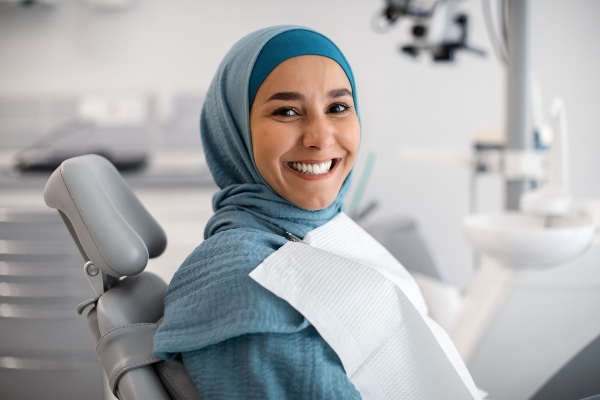
Most people understand the importance of regular medical screenings to prevent various illnesses, but many do not realize the relationship between oral health and general health. Routine dental care is an essential preventative measure necessary to ensure good health.
Why is good oral hygiene so important?
Gingivitis and periodontal disease can cause infections that lead to tooth loss, jawbone loss, bite changes, and other complications. In addition, research exploring the link between oral and overall health proposes various ways that oral bacteria can impact other body systems negatively. Bacteria can enter the bloodstream via channels originating in the mouth and set off inflammatory responses throughout the body. Complications associated with the spread of oral bacteria include:
- Cardiovascular disease
- Endocarditis
- Stroke
- Pneumonia
- Pre-term birth
Some researchers theorize that oral bacteria in the bloodstream can elevate C reactive protein, a plasma protein produced in the liver. High CRP levels are commonly associated with blood vessel inflammation that may put someone at higher risk for heart attack or stroke. Recent studies propose links between elevated CRP and other diseases, including autoimmune conditions such as rheumatoid arthritis and lupus, and cancer.
What does routine dental care include?
Maintaining a healthy mouth involves preventative measures that have wide-reaching benefits throughout the body. A beneficial oral care regimen includes several vital steps.
Brushing, flossing, and rinsing
Dental professionals recommend brushing twice daily and flossing at least once per day to help control oral bacteria accumulation that often leads to tooth decay and gum disease. A soft-bristled brush protects delicate tooth enamel. Many dentists advise patients to use a non-alcoholic oral disinfecting rinse once or twice daily to provide additional protection against bacteria.
Dental office cleaning
A rigorous home-care routine is an excellent starting point for achieving good oral health, but it is not a substitute for an in-depth cleaning at a dental office. Hardened tartar and plaque that are difficult to reach below the gum line require removal with special instruments, which a dental hygienist has the appropriate training to use. Most people benefit from two annual cleanings in a dental office, though anyone with a predisposition for gum disease can consider more frequent cleanings.
Oral examination
A dentist may use several methods to examine the mouth for irregularities or signs of dental disease. For example, X-rays allow a dentist to see teeth roots' condition and the earliest signs of bone loss, cavities, and various otherwise invisible irregularities.
As well, the mouth's condition frequently provides clues about general health, even when other symptoms are not apparent. Palpation of the jawline and cheeks with the fingers can detect tumors. A dentist who notices excessive dryness or thrush can steer a patient to seek medical care leading to diagnoses of multiple conditions, including diabetes, Sjogren's disease, or Parkinson's disease.
Conclusion
Routine dental care is vital for preserving natural teeth and oral health. It can also prevent or contain the spread of harmful oral bacteria, which can negatively impact other body systems, and allow for the discovery and treatment of illnesses with early symptoms manifesting in the mouth.
Request an appointment or call New York Dental Office at 212-548-3261 for an appointment in our New York office.
Recent Posts
It is well known that routine dental care is essential to the maintenance of a patient’s oral health, but the reasons why are not always as clear. Patients who have questions regarding dental care should consult with a dentist for help in understanding the importance of properly caring for their teeth.The following are common questions…
Incorporating good habits into routine dental care on a daily basis can help teeth and gums stay as healthy as possible. Regular dental hygiene is associated with reduced plaque, fewer cavities, and less incidence of gum disease over a person's lifetime. Patients do not need to completely overhaul their oral health routines. Instead, implementing a…
While some might believe visiting the dentist is only necessary for emergencies, routine dental care can be vital for oral health and overall wellness. There are a variety of benefits to seeing a dentist two or three times a year, no matter a patient’s stage of life. While regular brushing and flossing can help keep…