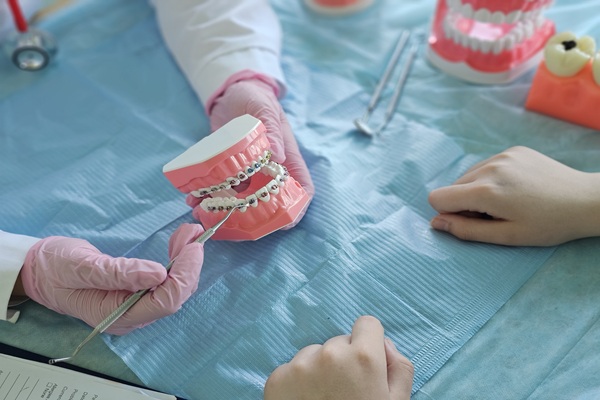
Pediatric orthodontics focuses on diagnosing and correcting alignment issues in children’s teeth and jaws. Early detection of orthodontic concerns can help guide proper development and prevent more complex dental issues later in life. While not every child will require orthodontic care at an early age, certain signs may indicate that an evaluation is necessary.
Understanding the purpose of pediatric orthodontics
Pediatric orthodontics focuses on identifying and treating issues related to bite, jaw growth, and tooth alignment during childhood. This period is ideal for intervention because the bones of the face and jaw are still developing. Early treatment can often reduce the need for more extensive procedures in adolescence or adulthood. According to the American Association of Orthodontists, children should have their first orthodontic evaluation by seven years of age.
At this stage, permanent teeth begin to emerge, and orthodontic issues such as crowding, spacing, and bite irregularities may become apparent. A general or cosmetic dentist can assess your child’s oral development and refer to an orthodontic specialist if early signs of misalignment are present.
Signs your child may need pediatric orthodontics
Children may not always communicate discomfort related to their teeth or jaw, which is why it is important to observe for visible signs. Common indicators that may warrant an orthodontic evaluation include:
- Early or late loss of baby teeth
- Difficulty chewing or biting
- Thumb-sucking beyond age 4
- Crowded, crooked, or protruding teeth
- Jaws that shift, make noise, or appear uneven
- Mouth breathing or frequent snoring
These signs may suggest that the teeth are not aligning correctly, the bite is off, or the jaw is not developing as expected. Pediatric orthodontics can help address these concerns with timely intervention, potentially reducing the need for future extractions or jaw surgery.
These symptoms may not cause immediate discomfort, but they can affect speech development, chewing efficiency, and long-term jaw health. Addressing these issues early with pediatric orthodontics allows treatment to work in harmony with natural growth, improving both the function and appearance of the smile over time.
The role of growth and development
Jaw and facial development play a major role in determining when and how orthodontic treatment is introduced. Pediatric orthodontics considers the child's growth patterns and tooth eruption timelines. For some children, early orthodontic appliances such as expanders or partial braces may be necessary to guide jaw growth, create space for permanent teeth, or correct bite problems.
In many cases, early treatment is followed by a second phase of orthodontics in the teen years to fine-tune alignment once all permanent teeth have erupted. Early intervention does not always eliminate the need for future braces, but it can simplify treatment and produce more stable long-term results.
How dentists evaluate orthodontic needs
A general or cosmetic dentist begins by examining the child's bite, jaw alignment, and tooth spacing during routine checkups. If there are any signs of potential orthodontic issues, X-rays or panoramic imaging may be used to view developing teeth and assess the jaw structure. Based on these findings, the dentist may refer the child for further evaluation with an orthodontist who specializes in pediatric orthodontics.
Orthodontic recommendations are personalized based on the child’s age, stage of development, and specific alignment concerns. The treatment plan may involve appliances such as space maintainers, braces, or removable devices designed to correct the position of teeth and guide proper growth.
Benefits of early orthodontic treatment
Early orthodontic care can provide both functional and aesthetic benefits. Addressing alignment issues early supports proper chewing, speech development, and facial symmetry. It can also improve oral hygiene by making it easier to clean properly aligned teeth. Additional advantages of pediatric orthodontics include:
- Reducing the risk of tooth damage from misalignment
- Preventing future crowding or impaction of permanent teeth
- Supporting balanced jaw growth for better facial development
Timely treatment helps set the foundation for a healthy, well-aligned smile as the child matures. Follow-up visits with the dentist or orthodontist ensure that progress is monitored and any necessary adjustments are made.
Learn more about pediatric orthodontic treatment today
Pediatric orthodontics plays a vital role in guiding the healthy development of a child’s teeth and jaw. Recognizing early signs of misalignment and seeking professional evaluation can prevent complications and support long-term oral health. For questions about your child’s orthodontic needs, consult with your dentist to learn more about the appropriate next steps. For more information or to schedule a consultation, call New York Dental Office at (212) 548-3261.
To schedule a consultation, request an appointment on our website at https://www.newyorkdentaloffice.com or call New York Dental Office at (212) 548-3261 for an appointment in our New York office.
Check out what others are saying about our dental services on Yelp: Orthodontics in New York, NY.
Recent Posts
Receding gums can be a symptom of gum disease, an infection of gum tissues caused by the bacteria in plaque and tartar. Plaque is a sticky film that builds on teeth as bacteria convert sugars into acids that damage teeth. It turns into tartar when left on teeth for a few days.Gum disease is one…
Receding gums can affect your confidence and leave you feeling self-conscious, even when you have every reason to smile. Luckily, a dentist can correct gum recession and its root cause. They can craft treatment plans that best suit their patients’ needs. A treatment plan will include one or more procedures to restore the looks and…
Receding gums can be the result of plaque build-up underneath gum tissues. The bacteria in plaque can infect tissues underneath the gums, activating the body’s inflammatory response. The inflammation leads to gum tissues pulling back from teeth roots, exposing said roots to acids made by oral bacteria.Teeth roots do not have the luxury of being…
Are you concerned about receding gums? Read on to learn about the most common causes for this condition. It is important to understand the common causes of receding gums as they are the most notable risk factors of periodontal disease that leads to gum recession. By understanding these risks, you can take the necessary preventive…