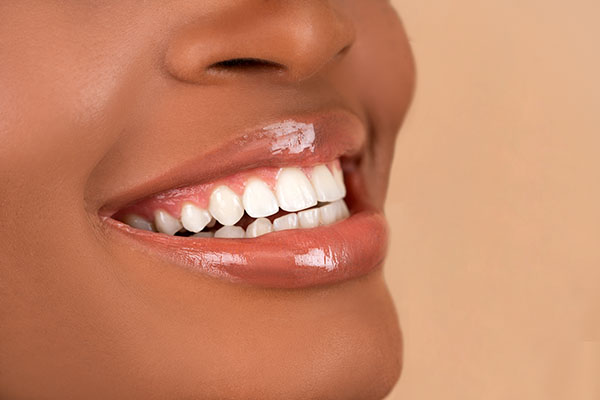
Along with swelling and pain, consistently bleeding gums can be a symptom of gum disease. There are two main types of gum disease, gingivitis and periodontitis, with the latter being a more advanced version. In serious cases, this condition can ultimately result in tooth loss. It is helpful to understand who may be more susceptible to gum disease in the interests of treatment and prevention.
Gum disease risk factors
There are a number of factors that determine an individual's risk for getting gum disease.
Oral hygiene practices
The biggest risk factor for gum disease is poor oral hygiene. This can occur when a patient does not brush or floss on a daily basis and does not have regular dental cleanings twice a year. Plaque consists of food debris and bacteria that can inflame gum tissue, and insufficient cleaning allows plaque to build up on the teeth and under the gumline.
Aging
At one point, it was thought that age was a major risk factor for gum disease. While it is true that, according to the American Academy of Periodontology, periodontitis affects 70% of Americans age 65 and older and the highest rates of periodontal disease occur in the elderly, age alone may not be a big risk. Instead, it may be that older people are more susceptible to medical conditions that can contribute to gum disease or have developed poor oral hygiene habits over a long lifetime.
Systemic diseases
Medical conditions such as rheumatoid arthritis, diabetes, and cardiovascular disease can interfere with the body's inflammatory system. This can make a gum condition worse.
Poor nutrition
Certain nutrients support the immune system, allowing the body to fight off infection. If a patient's diet does not include enough of these nutrients, it can compromise the immune system and make fighting off an underlying infection more difficult.
Poor nutrition may also cause bleeding gums in the absence of infection. Deficiencies of vitamin K and vitamin C can lead to gum bleeding.
Medications
Gum disease is not a side effect of medications per se. However, dry mouth is a side effect of many commonly prescribed medications, such as antidepressants, certain heart medications, and oral contraceptives. Saliva contains antibodies that help fight infection, which are not available when production is reduced. Saliva also helps to cleanse food residue from the teeth.
Tobacco use
Gum disease is only one of a whole raft of diseases for which using tobacco increases the risk. Part of the reason that tobacco use can raise the risk for gum disease is that it weakens the body's infection-fighting abilities.
Bruxism
Bruxism is the scientific term for clenching or grinding one's teeth. This may occur during sleep or become a habit that someone is not aware of during waking hours. In either case, grinding or clenching the teeth puts pressure on the supporting periodontal tissues, which can promote damage.
Conclusion
Gum disease can have a number of effects, from bleeding gums to tooth loss in advanced cases. Knowing the risk factors can encourage changes to personal habits in the interest of prevention.
Request an appointment or call New York Dental Office at 212-548-3261 for an appointment in our New York office.
Recent Posts
Receding gums can be the result of plaque build-up underneath gum tissues. The bacteria in plaque can infect tissues underneath the gums, activating the body’s inflammatory response. The inflammation leads to gum tissues pulling back from teeth roots, exposing said roots to acids made by oral bacteria.Teeth roots do not have the luxury of being…
Are you concerned about receding gums? Read on to learn about the most common causes for this condition. It is important to understand the common causes of receding gums as they are the most notable risk factors of periodontal disease that leads to gum recession. By understanding these risks, you can take the necessary preventive…
Hormonal changes are natural and required for healthy physiological function. However, certain hormonal changes may negatively affect gum health by raising the risk of receding gums and gum disease. Restorative dentistry procedures may help you get your gums back in shape and repair your teeth. It is especially essential to maintain excellent dental hygiene practices…