Seeing an Emergency Dentist for a Mouth Sore
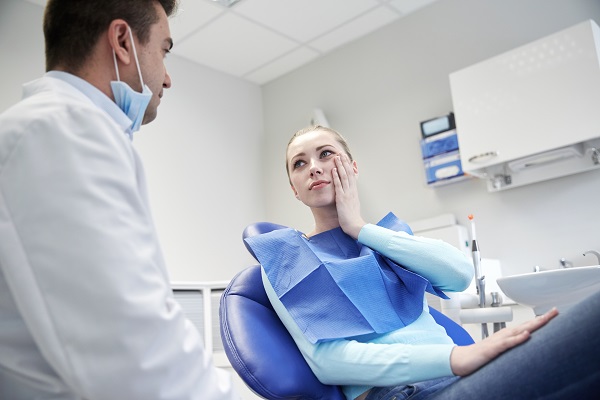
You should call an emergency dentist if you have a mouth sore. Most mouth sores are harmless and they usually go away on their own after a few days or remain unchanged. However, if your mouth sore does not go away after about a week, you should contact a dentist. Some sores can be serious and require the attention of a health care practitioner.
Emergency dentist and mouth sores
Mouth sores can be annoying and painful. Some of them appear inside the mouth, particularly on the tongue, gums, cheeks, lips or palate whereas others can appear outside the mouth, under the nose and even on the chin. Mouth sores are often caused by oral cancer or viral, bacterial or fungal infections. Some common types of mouth sores are canker sores, leukoplakia, cold sores and candidiasis.
Canker sores
A canker sore is a small open wound or ulcer that appears in the mouth. The sore can make talking and eating uncomfortable. In rare cases, these sores can be very large. There may either be one or more ulcers and these sores recur at varying time periods.
The exact cause of these sores is not known. Things that may cause minor sores are stress and tissue injury. The sores can also be caused by particular foods and medications. Underlying health conditions, particular diseases and nutritional problems can increase the chances of a complex canker sore for some people.
Canker sores often begin as bumps or red spots. A person who has it may have sores in the mouth that are round, gray or white, with a red border. These sores are usually painful. A canker sore may produce a burning or tingling sensation before any other symptoms appear.
There is no permanent cure for these types of sores. Treatment for them is usually for pain or discomfort. Treatment for long-lasting, large or extremely painful sores may include oral medications, cautery, nutritional supplements and mouthwashes. Canker sores usually come back.
There are some measures a person can take to get them less frequently. Avoiding particular foods that irritate the mouth and chewing gum can help. People should brush their teeth after meals with a soft-bristled brush and floss daily. This will help keep the mouth free of any foods that may trigger sores.
When to see a dentist
Some sores are usually wider and deeper than others. The deeper ones often take a longer time to heal and can get infected. A person should see a dentist if canker sores are too painful and over-the-counter medications do not help. Seeing a dentist is also ideal if sores recur frequently, cause difficulty swallowing or eating or cause fever and swelling.
Takeaway
Mouth sores can be painful and some may be an indicator of something more serious. You should consult a dentist if your sore does not go away or if you suspect you have an infection. Other reasons to consult an emergency dentist are if your sores recur frequently, make it hard to eat or swallow or cause swelling and fever. If you have any questions about mouth sores, contact a dentist today.
Request an appointment here: https://www.newyorkdentaloffice.com or call New York Dental Office at (212) 548-3261 for an appointment in our New York office.
Check out what others are saying about our services on Yelp: Read our Yelp reviews.
Recent Posts
A TMJ Dentist specializes in diagnosing and treating disorders of the temporomandibular joint, which connects the jaw to the skull. TMJ disorders or TMJDs can lead to pain and difficulty with everyday activities such as chewing and speaking. Understanding the causes and symptoms of TMJDs can help individuals seek appropriate care.The temporomandibular joint (TMJ) plays…
Worried about receding gums? Read on to learn about how to prevent this condition. Receding gums can put the long-term health of teeth at risk. The good news is that mouthwash, along with other at-home oral care routines and regular cleaning and check-up visits with your dentist, can significantly reduce the risk of periodontal (gum)…
Receding gums occur as a result of periodontitis (gum disease). Early intervention for gum disease can minimize the invasiveness of treatment, and many patients are able to restore the health of their gums and teeth through improvements in their oral care routine, non-invasive dental treatments, and at-home remedies.At-home remedies do not reverse receding gums, but…
Receding gums are more likely to affect people over 30, but aging does not necessarily cause it. Gum recession is often a symptom of gum disease, an infection of gum tissues caused by the bacteria inside plaque and tartar. These microorganisms build these substances, which house them, and the acids that they make.People over the…