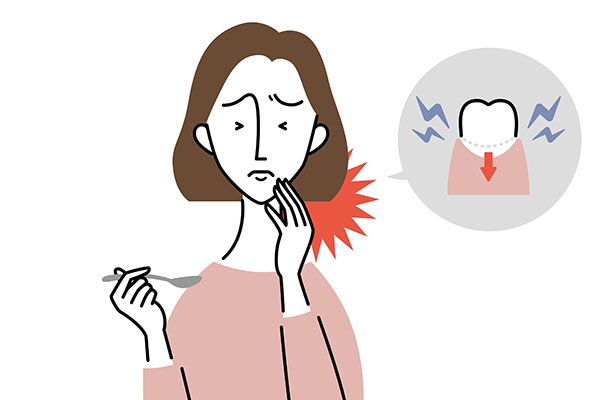
 Receding gums can be a sign that you have gum disease. It can also be a sign of poor brushing habits or using a toothbrush that is too hard. receding gums leave teeth roots exposed to acids made by oral bacteria, increasing their risk of decay.
Teeth roots do not have an outer layer of enamel to protect them against acids in the mouth. Instead, they are covered with cementum, which is not as durable as enamel.
Frequently asked questions about receding gums
Patients may notice that their gums are pulling back from their teeth roots. Here are the answers to questions that they might have.
1. Can gum disease be reversed?
Yes, the first stage of gum disease is called gingivitis, and it can easily be reversed with improved oral hygiene and teeth cleanings. Deep teeth cleaning treatments can also help reverse gingivitis. Early detection is crucial because the second stage of gum disease called periodontitis cannot be reversed. It is a chronic inflammation of gum tissues and is linked to serious health issues, like cardiovascular disease and diabetes. Periodontitis is the leading cause of adult teeth loss, and it can only be managed by performing appropriate treatments.
2. What else causes gum recession besides periodontal disease?
Receding gums is not always a symptom of gum disease. Other reasons that a person’s gums might pull back from teeth roots include:
- Genetics
- An injury to gum tissues
- Brushing or flossing too hard
- Brushing with a hard toothbrush
3. Will gum recession affect how my smile looks?
Yes, gum recession leaves teeth roots exposed, making the teeth appear abnormally longer. Exposed teeth roots lead to poor aesthetics, and things can worsen if the roots begin to decay when acids made by oral bacteria destroy their structures. Exposed teeth roots will eventually become damaged to the point that the teeth being anchored down by them start falling out. That can ruin a person’s smile, and oral prosthetics like implants will be needed to replace lost teeth.
4. How does a dentist address receding gums?
Treating receding gums starts with determining its cause. If gum recession is caused by poor brushing or flossing techniques, the dentist will educate the patient about appropriate ways to clean teeth and gums.
If the patient’s gum disease is caused by periodontal disease, the dentist will recommend treatments based on how far their condition has progressed. Gingivitis can be treated by getting the patient to commit to improving their oral hygiene and teeth cleanings.
Periodontitis can be addressed with procedures like deep cleaning, gum grafts, bone grafts, medication, and teeth replacement procedures. Gum grafts are typically the standard for covering up exposed teeth roots. Gum tissues from other parts of the mouth are harvested and used to cover up teeth roots.
Stop gum recession in its tracks
Gum recession can leave your teeth looking abnormally large, affecting the way that your smile looks. It can also be a sign of periodontal disease. Give us a call and visit our New York clinic to set up an appointment with our dentist.
Request an appointment or call New York Dental Office at 212-548-3261 for an appointment in our New York office.
Recent Posts
When receding gums get worse, the tooth's root gets exposed, making it susceptible to bacterial infection and damage. In addition, the condition can be unsightly and cause dental sensitivity and discomfort. A soft tissue transplant or gum graft is the treatment dentists recommend, which involves attaching a small piece of gum tissue around your teeth.…
Most people have experienced seeing red on the bristles of their toothbrush, or a pink tint in the sink when they expectorate after brushing. It is normal to feel a bit of concern when noticing blood in the mouth because bleeding gums are a symptom commonly associated with gum disease. However, while chronic bleeding gums…
Bleeding gums are a symptom of poor gum health. Since you may not experience pain or discomfort, you may not think it is serious. In many, bleeding gums indicate gum disease. If left untreated, gum disease can lead to serious health complications.Gum disease develops when plaque and tartar buildup along the gumline causes inflammation. Over…