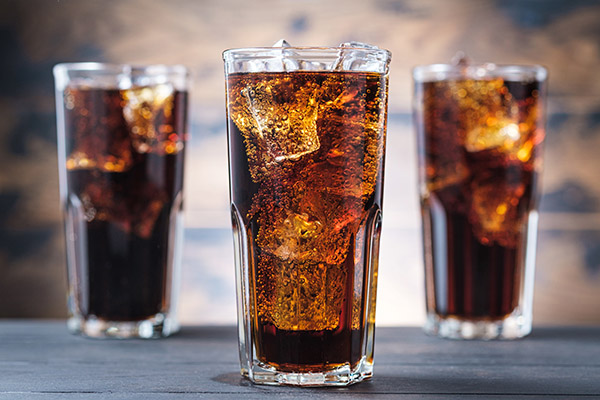
Your dental practice might have already told you that sugar is horrible for both teeth and gums. That includes candy, cookies, cake, and pies but also sweet sodas. The average person in the U.S. drinks almost 40 gallons of soda a year. That alone keeps a dental practice busy. With that level of consumption, it is no wonder why so many people ask what soda can do to teeth.
A dental practice explains the two main issues with soda
When it comes to drinking soda, two main things can damage teeth. The first is that as a super sugary beverage, soda causes cavities. The second is that soda is a direct contributor to tooth erosion. So, why do these two things happen?
A dental practice explains the sugar in soda interacts with bacteria inside of the mouth. That causes a reaction that leads to the formation of acid, which then attacks teeth. Not only is regular soda a problem but also the sugar-free kind, as well. The damaging reaction lasts roughly 20 minutes. So, when sipping on soda throughout the day, teeth are constantly attacked.
As for erosion, as soon as the acid caused by soda comes into contact with tooth enamel, it begins an erosion process. Tooth enamel softens to the point that its protection becomes compromised. The more compromised the enamel, the worse things get. If not diagnosed and treated early, an individual could experience severe damage.
Preventing damage to the teeth
Due to how soda impacts teeth and gums, a dental practice includes education as part of regularly scheduled visits. However, a dentist will also answer any questions a patient has. Telling someone to simply give up soda is not that easy. This is why a dental practice offers alternative solutions.
Cut down
The ideal thing a person could do is to stop drinking soda altogether. However, for some people, that is not an option. In that case, even cutting down can lower the risk of cavities and erosion. Although just one soda can damage teeth, an individual should strive to have just one soda per day.
Drink fast
The longer someone sips on soda, the higher risk of tooth damage. However, some people cannot kick their soft drink habit. So, they should try to drink quickly. That will reduce the amount of time the sugars and acids have to start the destructive process.
Sip through a straw
Here is a great piece of advice from a dental practice. By sipping through a stray, the soda does not come into contact with the teeth as much. This also helps reduce discoloration for people who enjoy drinking other beverages that stain teeth. These include coffee, tea, and wine.
Talk to your dentist
If you enjoy drinking soda, talk to your dentist for professional guidance. You might make a good candidate for a sealant, which could help. If possible, give up your soda for the sake of your teeth. In the long run, this is the ideal option.
Recent Posts
For parents, the first loose tooth marks a significant milestone in their child's oral health journey. At this stage, guidance from a dental practice helps ensure the process remains comfortable and stress-free. Understanding the appropriate steps when managing a child's loose tooth can ease concerns, encourage proper dental habits, and support healthy development. The following…
Regular visits to a dental practice are essential to maintaining optimal oral health and preventing potential dental problems. Typically, dental professionals recommend scheduling routine check-ups every six months, although individual needs may vary based on specific oral health conditions. Regular examinations allow dentists to monitor oral health, identify issues early, and provide preventive care, ultimately…
Helping younger patients establish healthy dental habits starts with the right environment and guidance. From the first visit, a dental practice has the opportunity to set the stage for positive oral care habits that will last into adulthood. The approach taken during these early years can make a big difference in how children view oral…