What Foods Should You Avoid Eating After a Root Canal?
Dentists perform a root canal procedure as a last resort in saving a patient’s permanent tooth. The goal is to leave the permanent tooth intact, so the individual can speak and chew without any issues following the procedure. This treatment involves cleaning out debris associated with a diseased or damaged tooth. The dentist reshapes the root canal and then places a crown on top. With this complete, it is important for people to follow their dentist’s instructions, including foods on the “okay” list.
Listening to the dentist
It is essential for anyone who underwent a root canal procedure to follow the instructions provided by their dentist. Not only does this include proper care but also taking preventative measures to ensure nothing happens again. Even the foods a person eats matters after having this procedure done. By listening to the dentist’s orders, the patient will recover in no time and not experience any lingering discomfort.
Acceptable foods
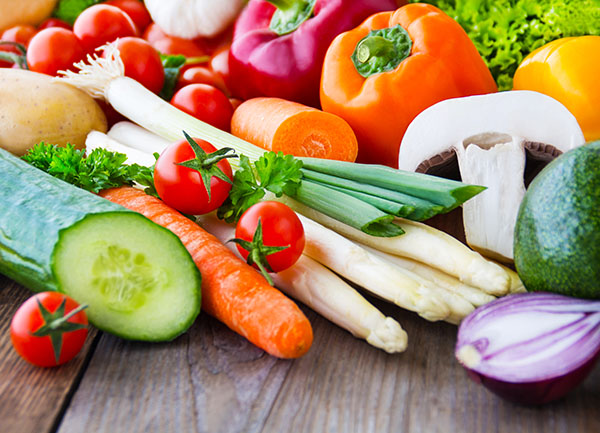
After arriving home, a person needs to be careful with what they eat — at least for about a week. Some of the foods a dentist recommends include soft fruits like bananas, mango and papaya. Patients can also consume oatmeal, yogurt, ice cream and milkshakes. Soup, applesauce, mashed potatoes, hummus and macaroni and cheese are okay as well. Along with sticking to softer foods, the patient needs to take their time eating. In other words, eat slowly.
Foods to avoid
Someone who had a root canal performed should avoid specific foods. The reason is that the surgery involved not only the tooth but also the roots and nerves. For that reason, it is important not to consume anything that would apply too much pressure to the new crown or possibly work its way beneath it. Remember, there is a short healing time with a root canal so giving up favorite foods is only for a small amount of time.
Primarily, the patient wants to avoid any type of crunchy food. Some examples include chips, nuts, carrots and crackers. Chewy foods are also on the “do not eat” list following a root canal. That covers things like sticky candy and gum. In fact, the patient should even avoid most breads as they develop a gummy texture in the mouth.
After a root canal, the individual should also stay away from any kind of food with hard texture like nuts, candy and even ice cubes. Since the tooth involved will likely have more sensitivity than usual for a few days, the patient needs to avoid anything too hot or spicy. It is also important for them not to consume any alcohol since this could induce bleeding. After all, a root canal is a form of surgery.
Follow the rules after a root canal
You can heal without any problem simply by listening to what your dentist says. Follow the rules on what you can and cannot eat, and you will feel great in no time. You need to allow the tooth and gum area to rest. Within a week or two, you can go back to munching on whatever you want.
Request an appointment here: https://www.newyorkdentaloffice.com or call New York Dental Office at (212) 548-3261 for an appointment in our New York office.
Check out what others are saying about our services on Yelp: Read our Yelp reviews.
Recent Posts
Receding gums leads to gum tissues pulling back from teeth roots, making your teeth appear abnormally large. Teeth roots are protected from acids made by oral bacteria by the gum tissues that cover them, so gum recession leaves them vulnerable to these acids, increasing their risk of decay.Receding gums can be caused by several things,…
Receding gums is a condition that leads to gum tissues pulling back from teeth roots. It leaves these roots exposed to acids made by oral bacteria that cause decay. Unlike the crown of a tooth, which is protected by enamel, teeth roots have an outer layer called cementum that is not as durable as enamel.…
A TMJ Dentist specializes in diagnosing and treating disorders of the temporomandibular joint, which connects the jaw to the skull. TMJ disorders or TMJDs can lead to pain and difficulty with everyday activities such as chewing and speaking. Understanding the causes and symptoms of TMJDs can help individuals seek appropriate care.The temporomandibular joint (TMJ) plays…
Worried about receding gums? Read on to learn about how to prevent this condition. Receding gums can put the long-term health of teeth at risk. The good news is that mouthwash, along with other at-home oral care routines and regular cleaning and check-up visits with your dentist, can significantly reduce the risk of periodontal (gum)…