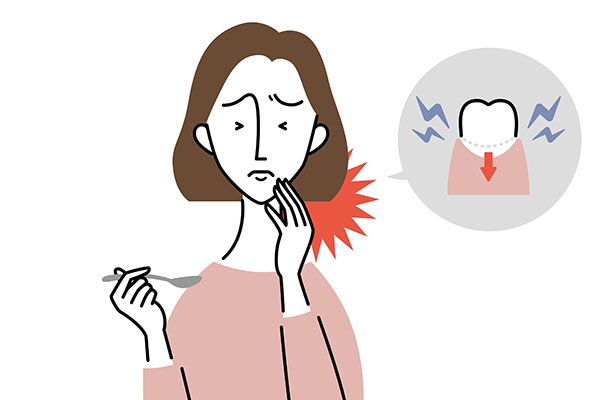
When receding gums get worse, the tooth's root gets exposed, making it susceptible to bacterial infection and damage. In addition, the condition can be unsightly and cause dental sensitivity and discomfort. A soft tissue transplant or gum graft is the treatment dentists recommend, which involves attaching a small piece of gum tissue around your teeth. After the receding gum treatment, patients need to be committed to aftercare to ensure success.
Foods to avoid
It takes one to two weeks for the gums to recover. Patients will have to follow specific guidelines during this period, including what they should not consume. Following these instructions may have an impact on the result. Avoid the following foods to prevent the gum graft from getting inflamed and slowing down the healing process.
White bread
Bread's starches quickly break down into sugar, which is harmful to the teeth. Furthermore, the sugar changes into a paste-like material that readily sticks between teeth. As a result, bacteria will feast on the sugar, converting it to plaque, which can ultimately solidify into disease-causing tartar if not addressed.
Make every effort to eat a well-balanced diet to avoid eating too many carbohydrates. Those who eat a lot of bread should be sure to floss and clean their teeth afterward. This way, they can keep eating bread without worrying about cavities or gum disease.
Sports beverages
Many individuals believe that sports drinks are a healthier alternative to soda and may help them perform better during exercises. On the other hand, sports drinks are seldom an intelligent choice when it comes to dental health. Sugars and acids are both terrible for dental health and are often concentrated in sports drinks.
Soda
Since soda is rich in sugar and acid, it falls into the same category as sports drinks, which are bad for your teeth. Furthermore, the caffeine in soda may induce dry mouth, which means there is less saliva available to clean bacteria away.
Alcohol
Drinking alcohol may have various adverse effects on one's health. In terms of oral health, alcohol is the second leading cause of oral cancer and contributes significantly to periodontal disease. Drinking alcohol may dry out the mouth, which means less protection against bacteria in the mouth.
Sticky or chewy candies
Cadies are generally high in sugar. On the other hand, sticky candy is sugar that sticks to your teeth, turning into a meal for bacteria. The bacteria buildup can be detrimental to the treated gums, so it is advisable to avoid anything that might encourage them to thrive.
In conclusion
When choosing what to eat, we often prioritize our physical health. However, keep in mind that your mouth is the first stop, and most of the things you are hesitant to consume will significantly affect your dental health. If you have recently undergone receding gums treatment, stop or limit the consumption of the foods mentioned above to prevent the issue's reoccurrence. If you have additional questions, book an appointment with the dentist.
Request an appointment or call New York Dental Office at 212-548-3261 for an appointment in our New York office.
Recent Posts
Receding gums is a condition that leads to gum tissues pulling back from teeth roots. It leaves these roots exposed to acids made by oral bacteria that cause decay. Unlike the crown of a tooth, which is protected by enamel, teeth roots have an outer layer called cementum that is not as durable as enamel.…
Worried about receding gums? Read on to learn about how to prevent this condition. Receding gums can put the long-term health of teeth at risk. The good news is that mouthwash, along with other at-home oral care routines and regular cleaning and check-up visits with your dentist, can significantly reduce the risk of periodontal (gum)…
Receding gums occur as a result of periodontitis (gum disease). Early intervention for gum disease can minimize the invasiveness of treatment, and many patients are able to restore the health of their gums and teeth through improvements in their oral care routine, non-invasive dental treatments, and at-home remedies.At-home remedies do not reverse receding gums, but…